- Jun 9, 2024
Top 10 watercolor techniques to paint water
- Francoise Blayac
- 0 comments
Painting water, the sea, and the ocean with watercolors can be intimidating because of the delicate balance between keeping it loose and adding just the right amount of detail to achieve a realistic look. As an artist, I used to feel overwhelmed by this challenge. Many in my community have expressed similar fears, so in this blog post, I'll share the top 10 techniques for painting realistic water and how I execute them. Whether you're a late beginner or an intermediate artist, these tips will help you elevate your watercolor seascapes.
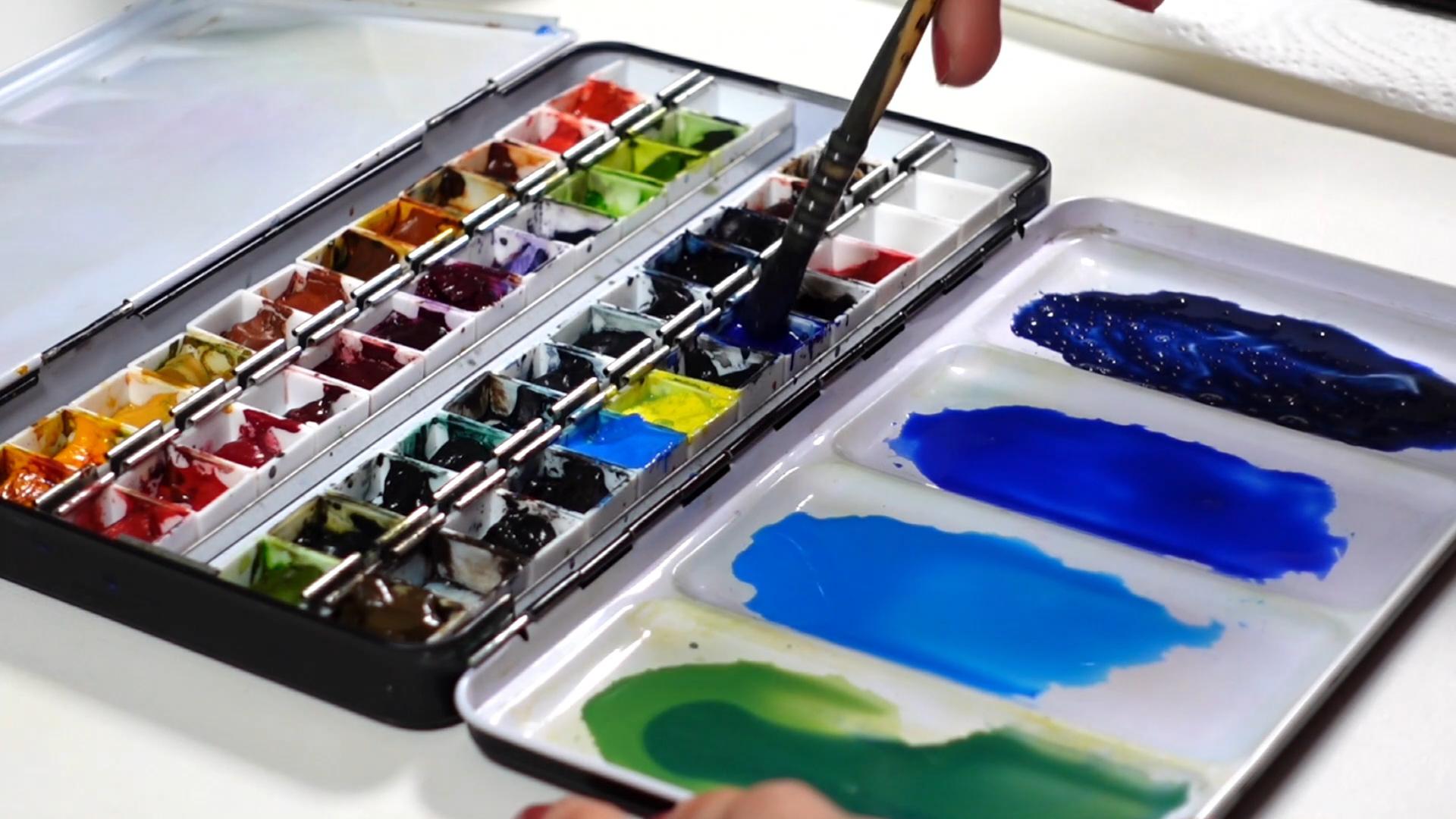
Smart Color Mixing
Color mixing is crucial for creating a cohesive and realistic seascape. Limiting yourself to 3-5 colors might sound restrictive, but it simplifies the process and ensures color harmony. For instance, mixing blue and yellow to create green allows you to control the brightness and depth of the green, contributing to a more vibrant and harmonious painting. This approach also helps integrate different elements of your painting, like the island and water, by using related colors.
Wet-in-Wet Technique
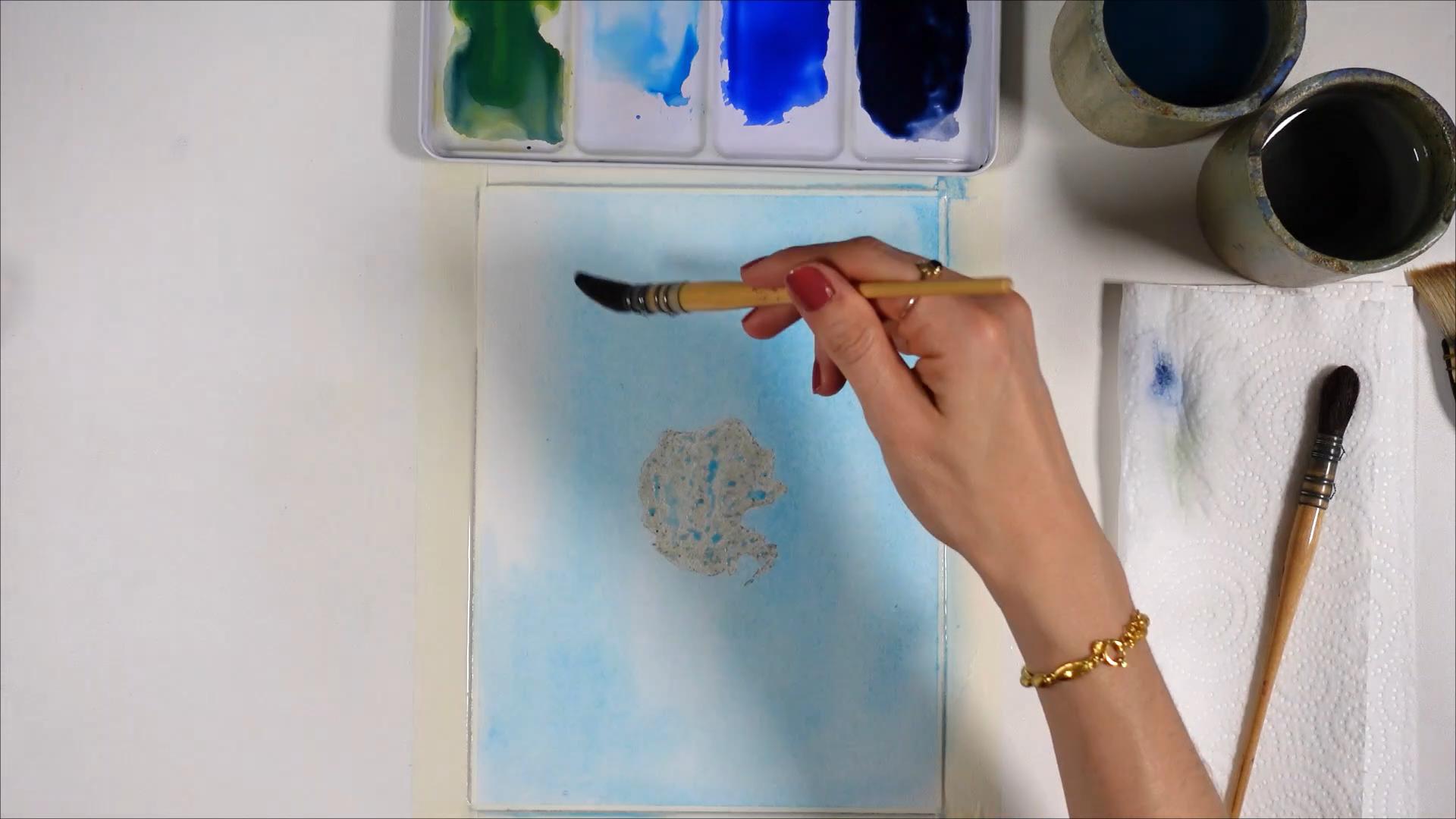
The wet-in-wet technique is ideal for painting large bodies of water, as it allows for smooth transitions and natural color blending. Using high-quality, 100% cotton watercolor paper, such as Arches cold press, enhances this technique. By pulling the paint with a clean, damp brush, you can achieve the loose look that is characteristic of water. This method is particularly useful for creating the smooth appearance of sea and ocean waters.
Graded Wash
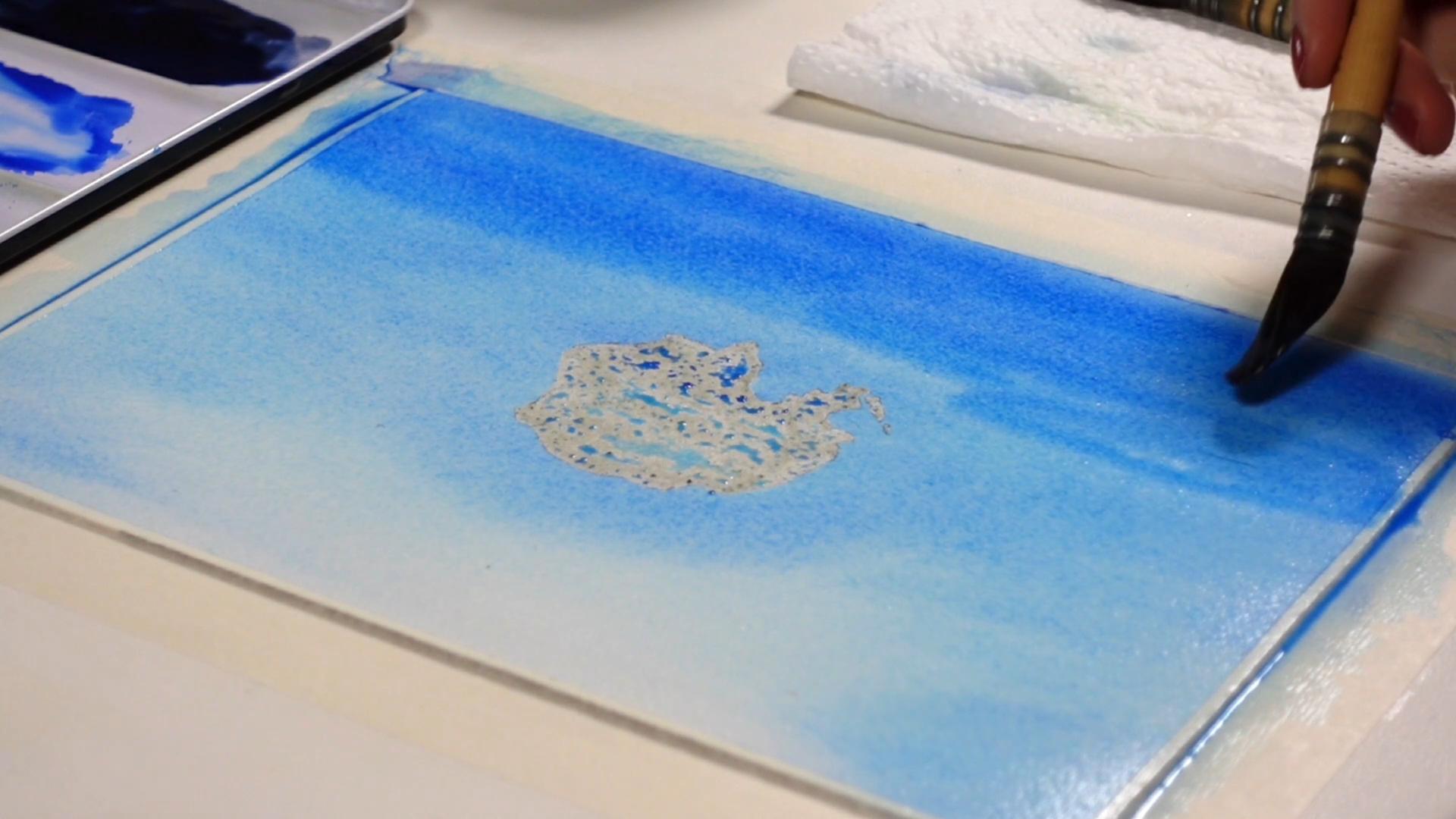
A graded wash adds depth and realism to your seascapes by creating a gradient of color. This technique is especially effective when one side of your reference photo is lighter than the other. By layering different shades of blue from light to dark, you can mimic the natural gradient seen in water. Working on a uniformly moist sheet helps maintain consistency, but you can also let it dry and re-wet it, if you see your paper dries too fast.
Brush Strokes
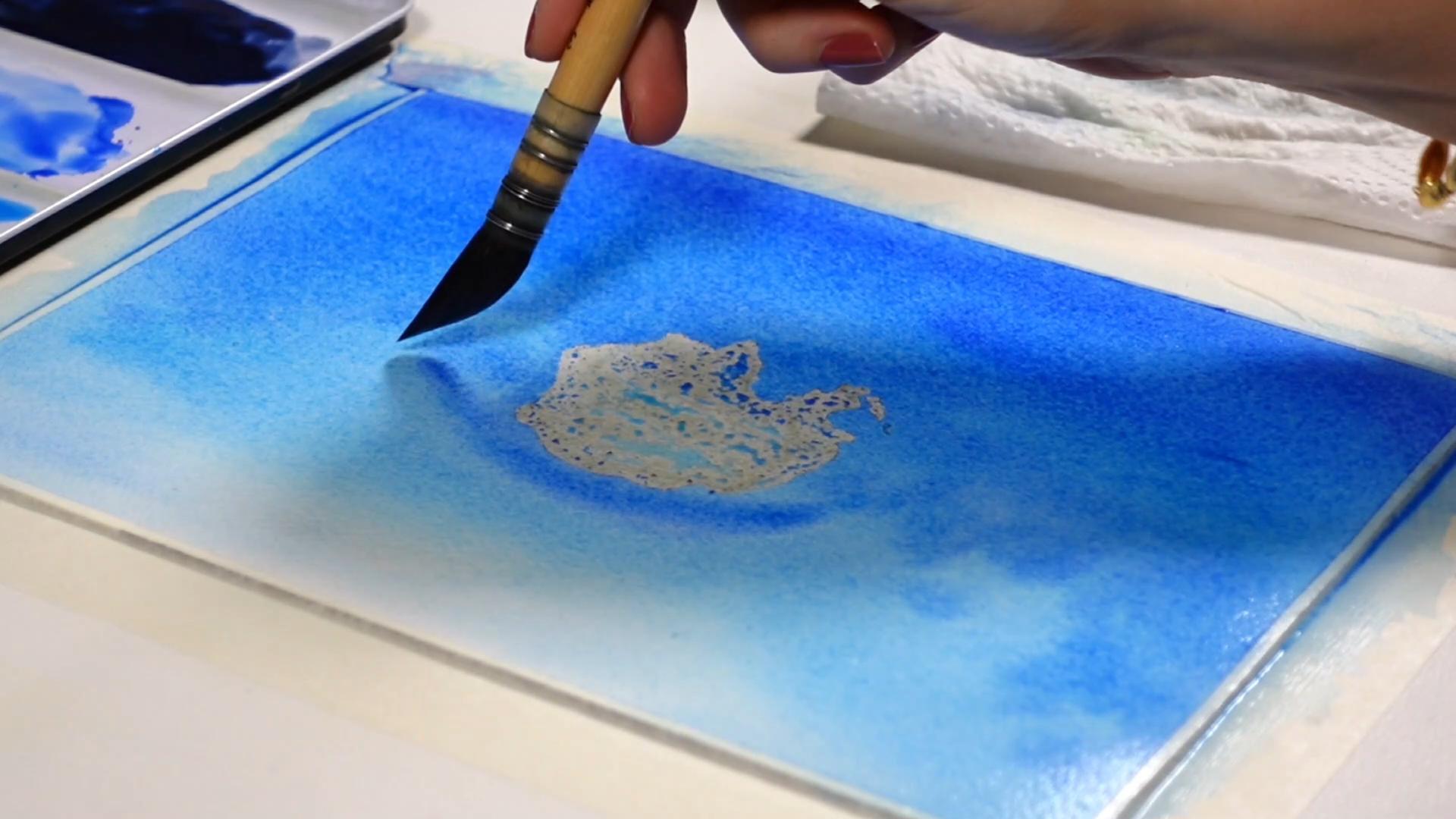
Using varied brush strokes can add texture and interest to your seascape. Instead of a flat, solid wash, incorporate curvy lines and tapping motions to suggest depth and subtle changes in the water. This technique helps blend colors naturally and avoids harsh transitions, making the water look more dynamic and realistic.
Overlapping Colors
Overlapping colors is essential for achieving realism in watercolor paintings. Avoid having distinct, separate colors for different elements; instead, allow them to blend slightly where they meet. For example, incorporate some of the water's blue into the island's shadows to create a cohesive look. This blending suggests that elements are part of the same environment and enhances the overall realism.
Lifting
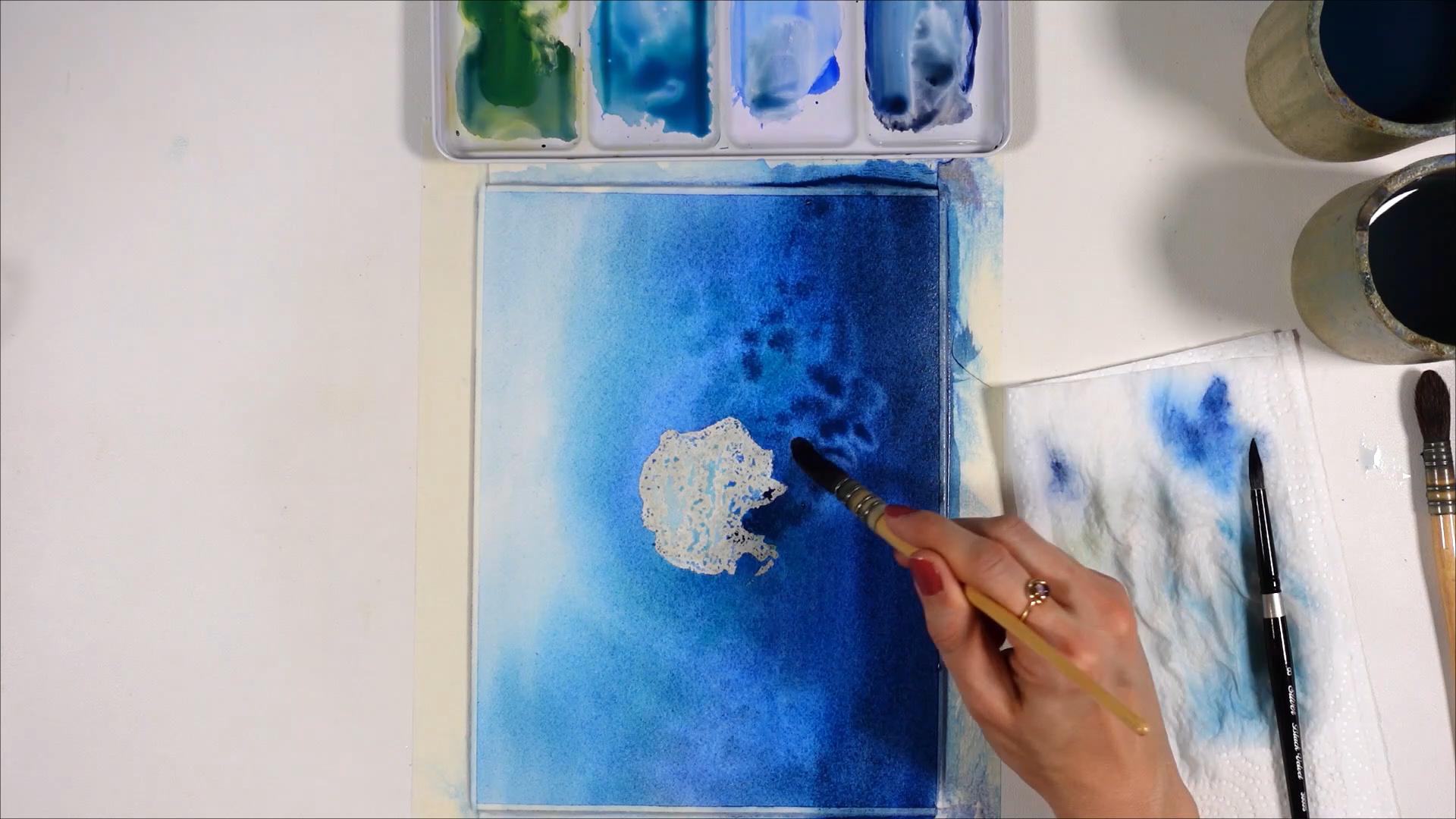
Lifting paint is a valuable technique for creating highlights, reflections, and a sense of depth in water scenes. By removing some paint while it's still wet, you can create areas that appear lighter, mimicking the look of shallow water. This technique is also effective for adding dimension to rocks and other underwater features.
Charging Technique
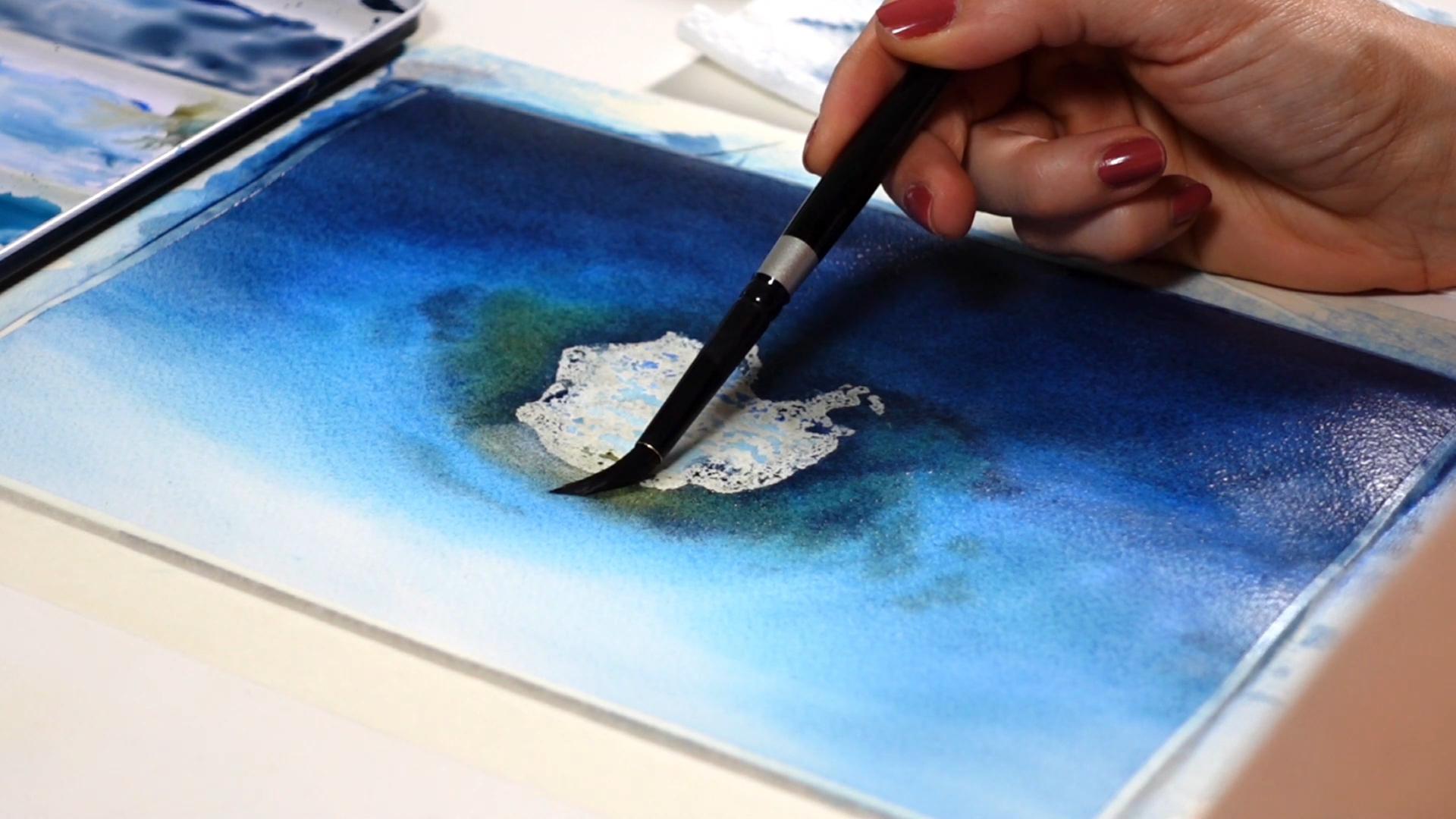
The charging technique involves adding thick paint to a drying area, which creates strong contrasts and outlines. This method is perfect for suggesting underwater objects, like rocks. By outlining parts of the rocks and lifting paint in certain areas, you can achieve a three-dimensional effect that makes the scene more convincing.
Layering
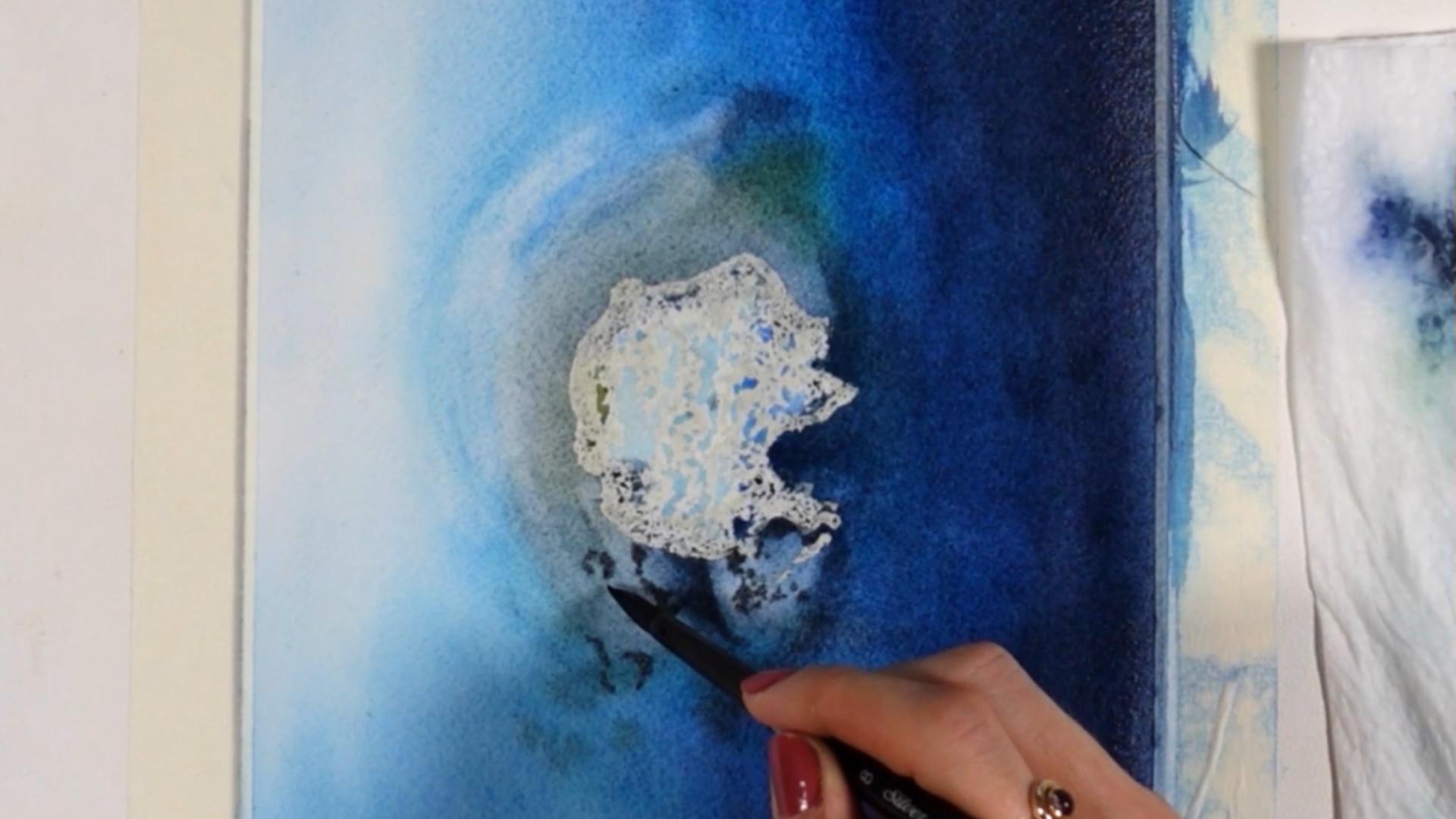
Sometimes, a second layer is necessary to refine the background or add more depth to your painting. Layering allows you to adjust the intensity of colors and improve the overall smoothness. Focus on specific areas that need enhancement, such as adding more depth to the water or defining the edges of rocks and islands.
Wet on Dry
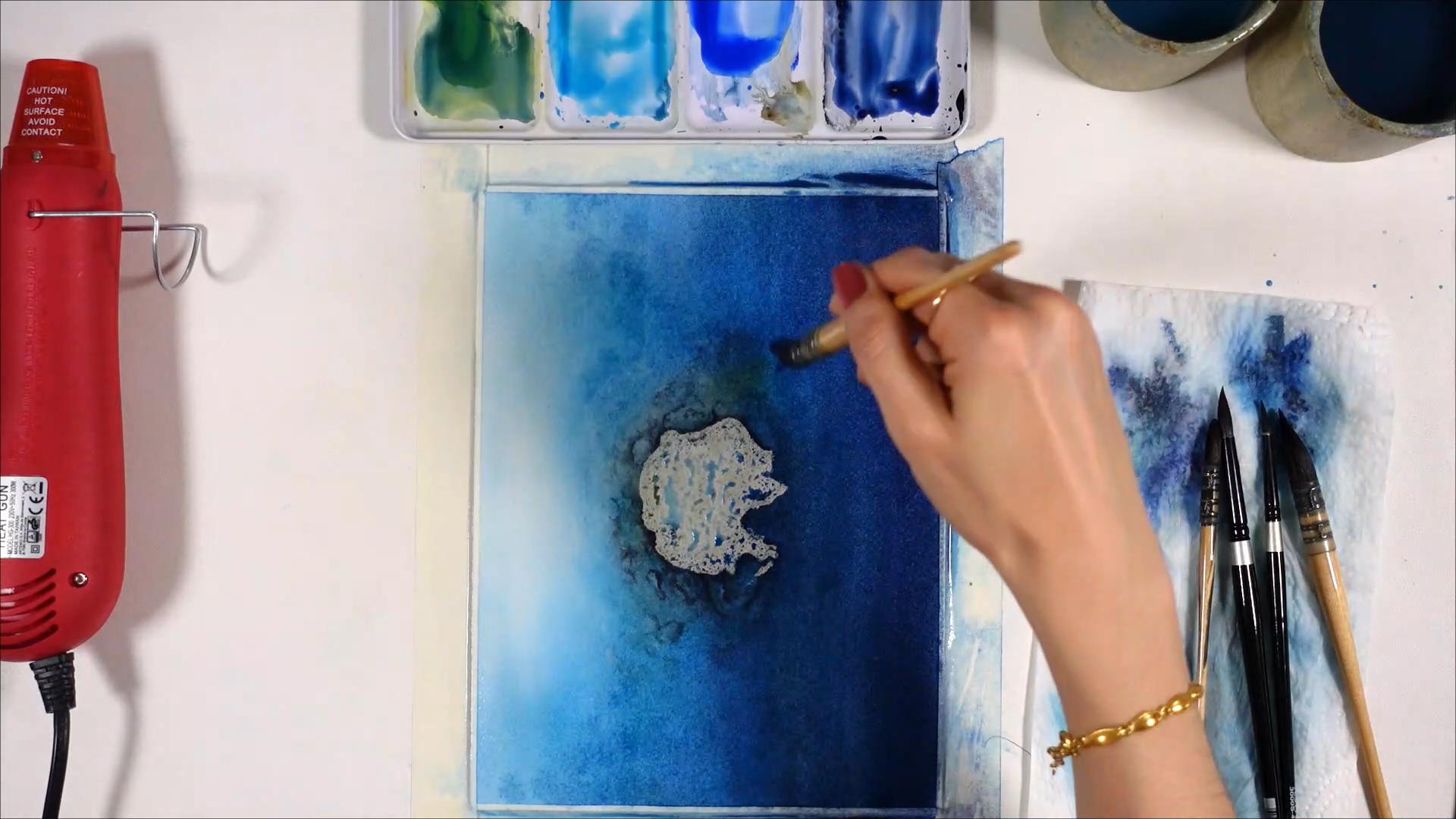
For subjects like islands, boats, marine wildlife, the wet-on-dry technique provides more control and makes these elements stand out. Applying paint to dry paper results in sharper, more defined edges, which helps these features pop against the looser background of water.
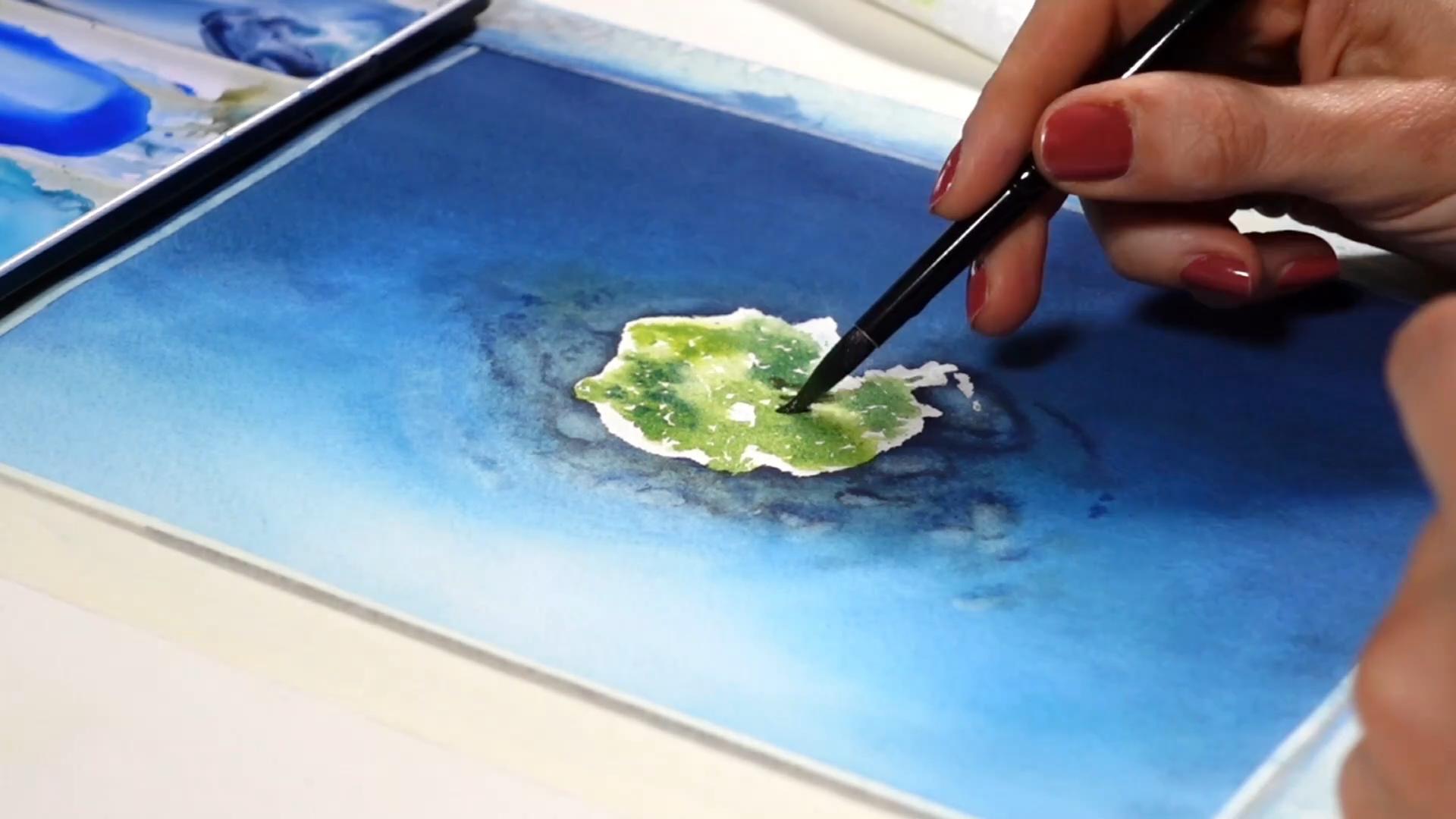
Softening Edges
To maintain a realistic look, soften edges with a damp brush. This technique is useful for blending foliage, shadows, and other details into the surrounding areas. Softening edges helps integrate different elements smoothly, making the painting look cohesive and natural.
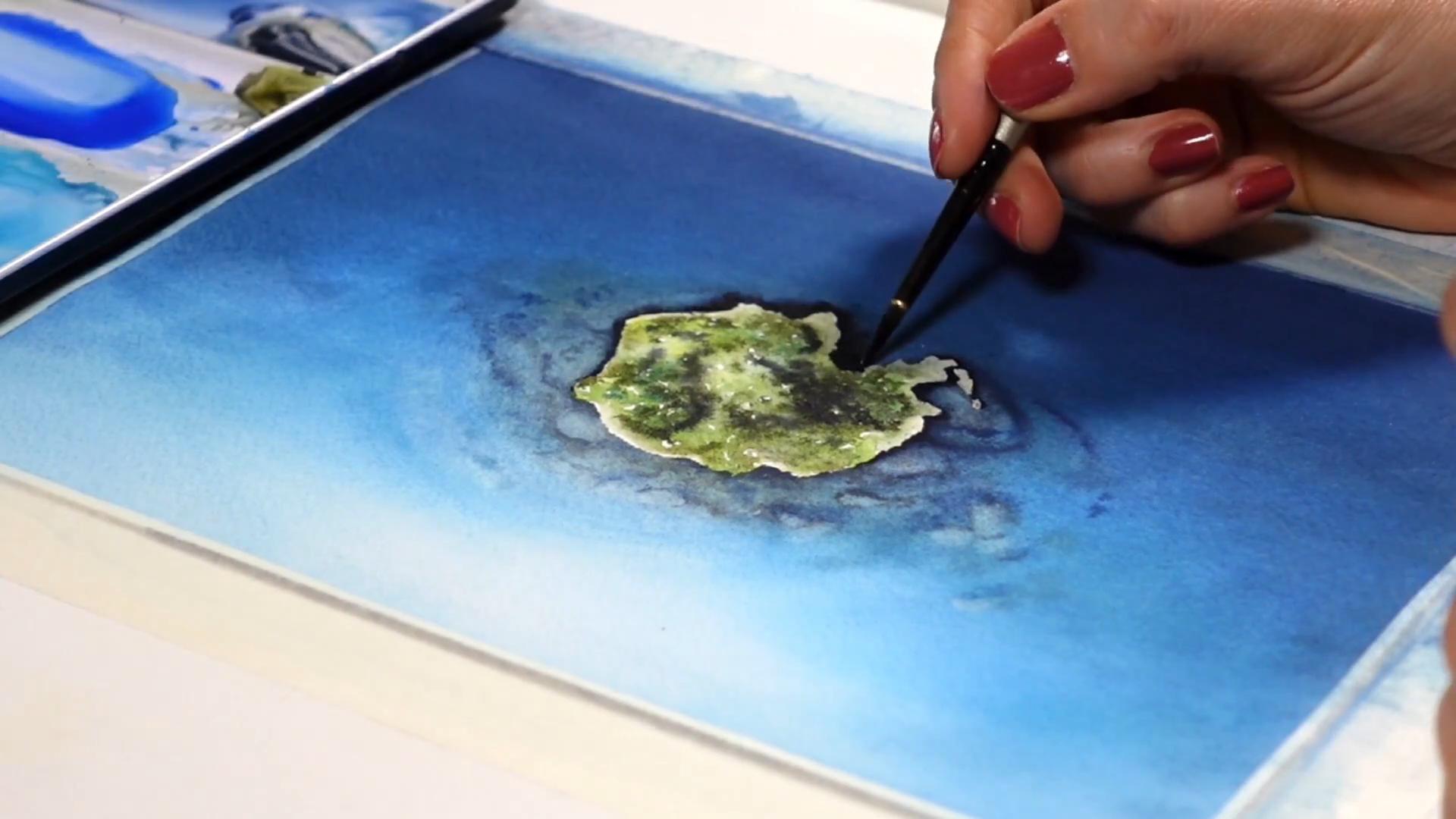
When you master these techniques—smart color mixing, wet-in-wet, graded washes, varied brush strokes, overlapping colors, lifting, charging, layering, wet on dry, and softening edges—you can create stunning, realistic watercolor seascapes. Practice these methods and experiment with your own preferences to find what works best for you.
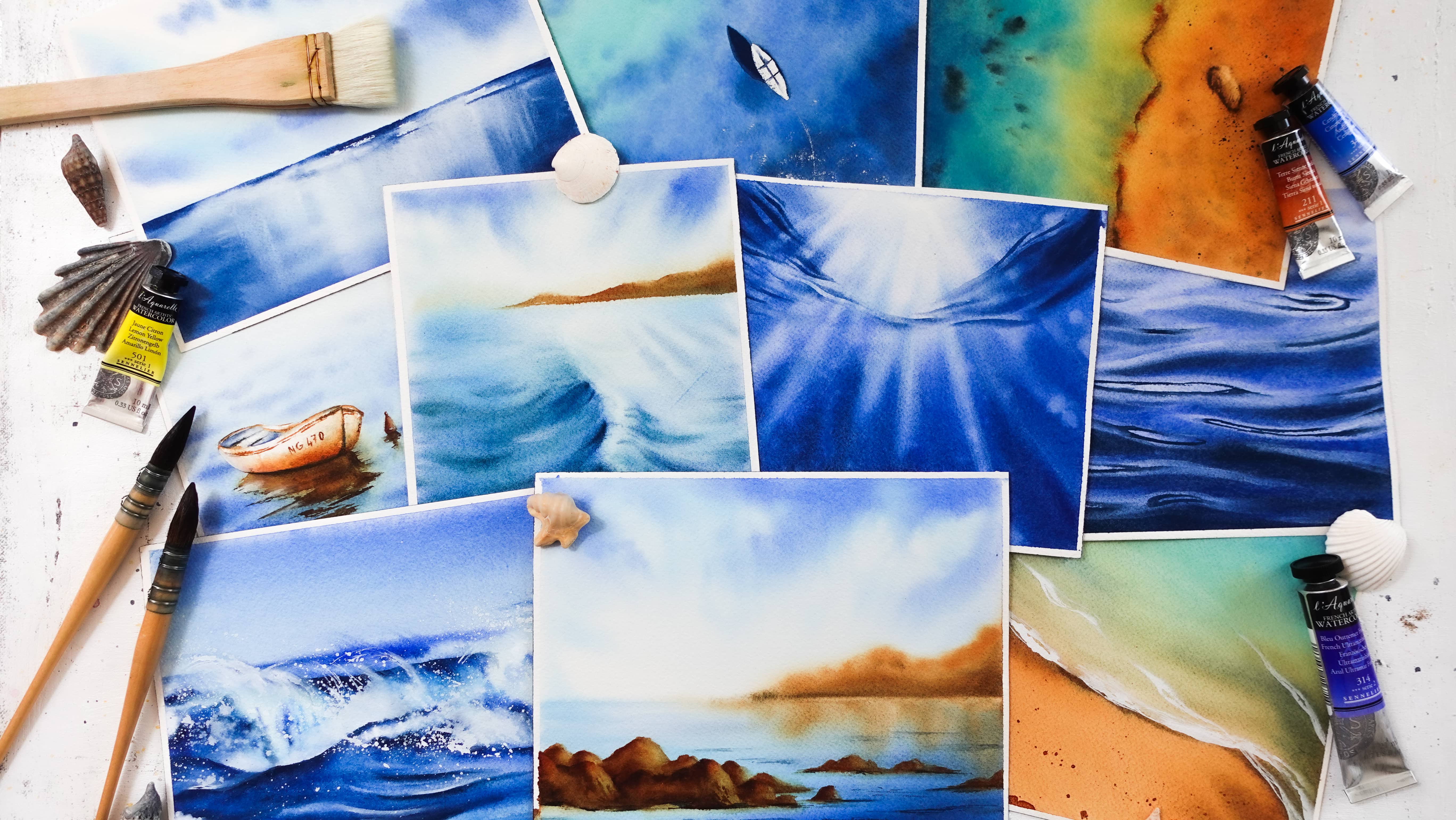
To learn my techniques in depth, remove all the guess work, and paint these 10 different plots, join my new Seascape Masterclass here. If you prefer to paint from a wide choice of tutorials, you may also check my Patreon out.
Happy painting!